
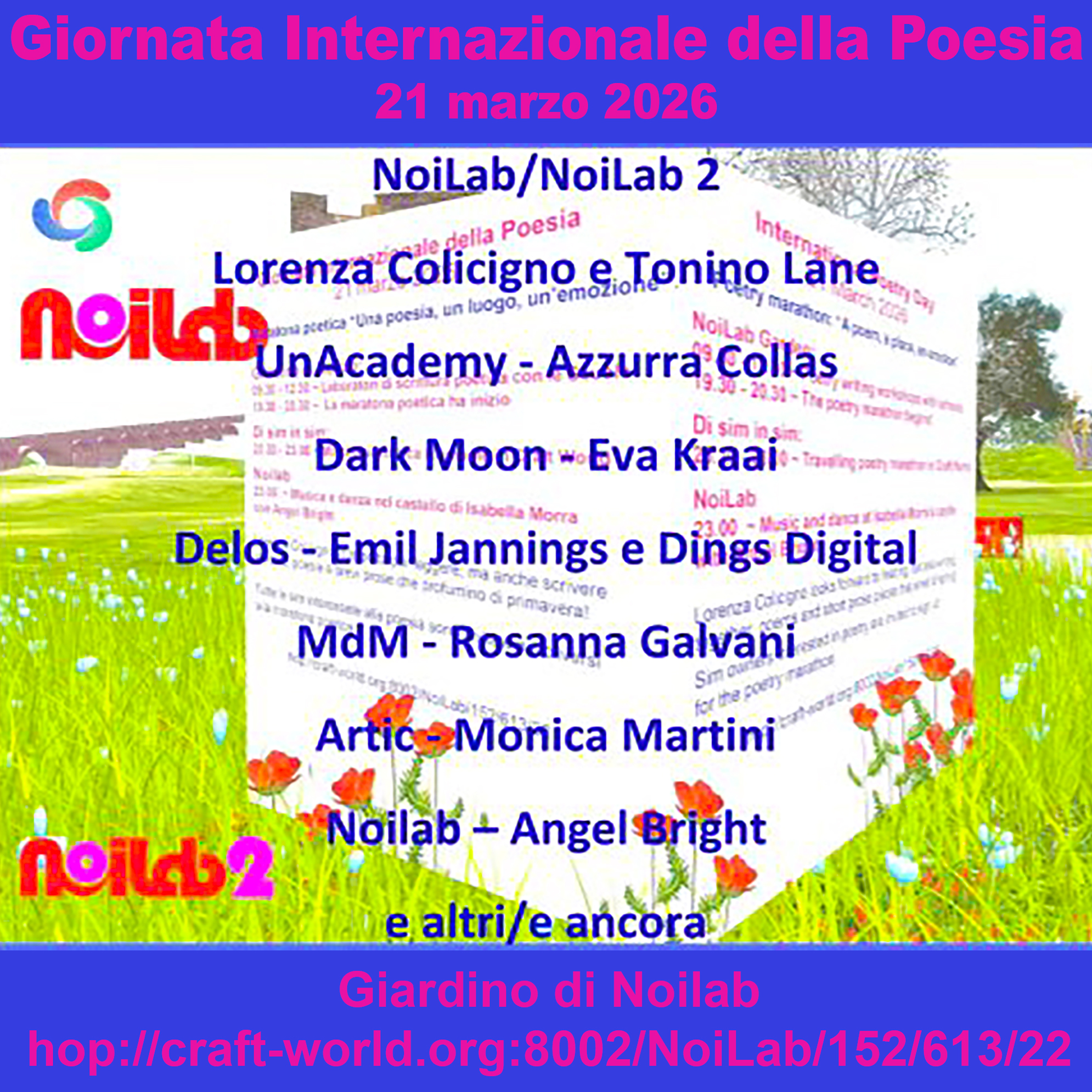
21 March 2026: across the sims of Craft World, the voice of poetry rang out.
Poetry, which, as I often say, has accompanied human communities for millennia, preserving their memories, emotions, struggles and hopes, has accompanied us once again this year in the annual poetry marathon held on 21 March in Craft World, to mark World Poetry Day.
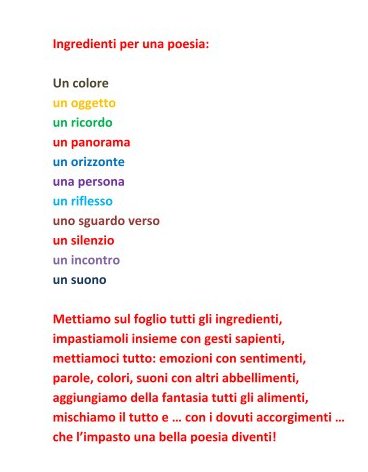
And it was during the ‘sim-in-sim’ marathon that the Craft community discovered how, in an age dominated by speed and power, the poetic word can still offer a space for listening and waiting for that magical moment of sharing values that have not been consumed by everyday banality. We asked ourselves whether poetry can ever solve the world’s problems, which today are increasingly widespread and increasingly serious due to the prolongation and outbreak of new wars. The answer to this question lay implicit in the way each person entrusted themselves to other avatars – their inclinations, their worldview – with some borrowing words from great literature, others pulling their own compositions out of the drawer, hitherto kept secret and finally brought to light thanks to the ‘rules’ of friendship and respect that govern the Craft community. Even the poetic recipe book, proposed as a stimulus to creativity, has had its effect, flooding the digital atmospheres of the Craftian regions with colours and sounds.
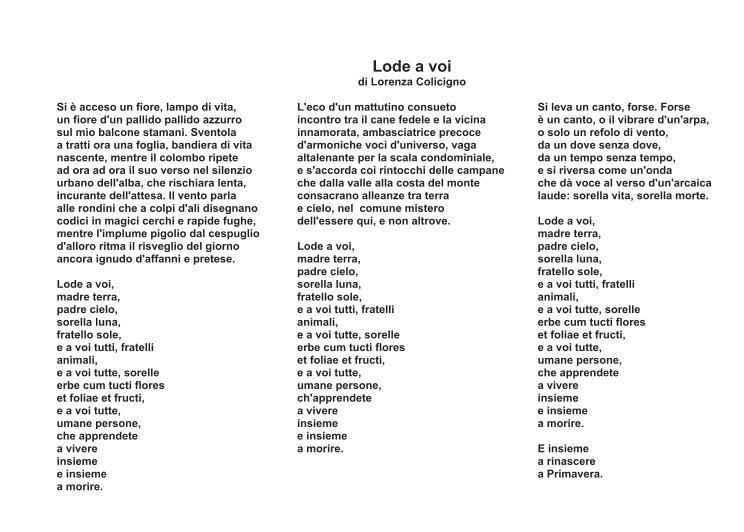
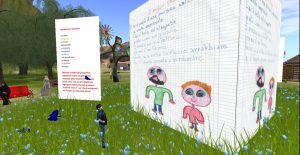
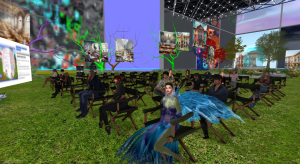
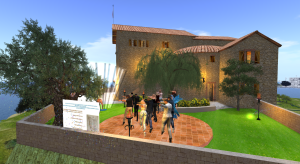
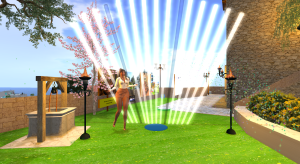
The marathon began in the garden of NoiLab’s Città delle Donne, where I read my poem *Lode a Voi*, accompanied by the voices of many people singing the chorus. Luciana Mattei read Giacomo Leopardi’s Il Sabato del villaggio, transporting us back to the sorrowful yet never despairing atmosphere of the poet from Recanati. Rosa Massaro read some of her own compositions celebrating spring: La poesia, Primavera, Nel blu.
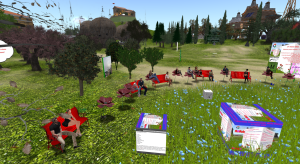
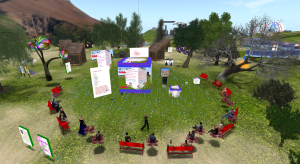
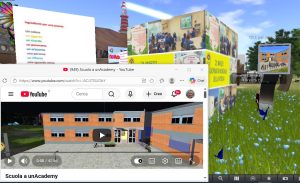
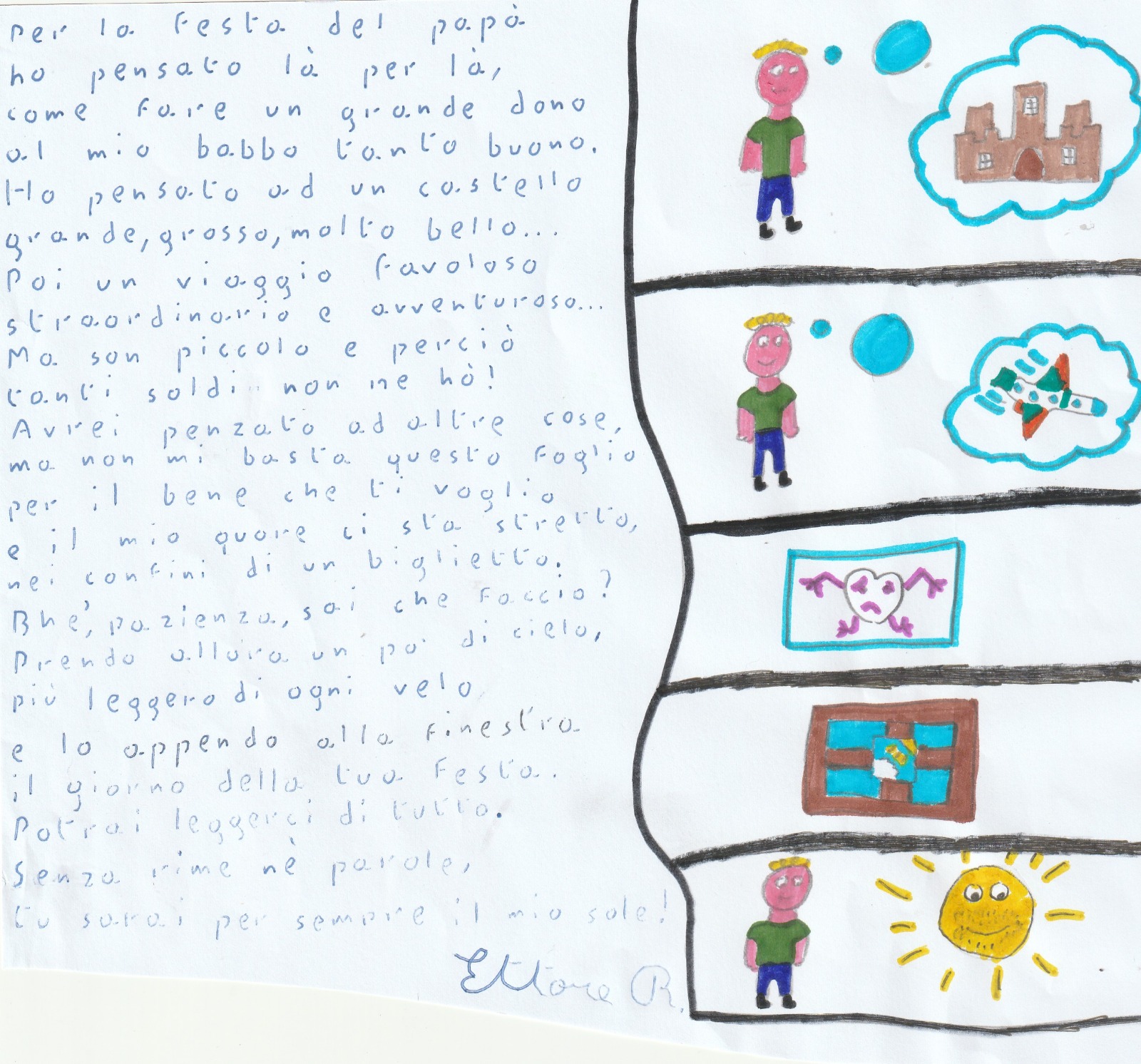
Also at NoiLab, a video produced by Rosanna Galvani was screened, summarising the morning’s participation in International Poetry Day 2026 by pupils from the “Giuseppe Giuliano” school in Latina, accompanied by Luciana Mattei, owner of unAcademy.
The marathon then set off on its journey and was met with warmth, kindness and a welcoming atmosphere wherever it went.
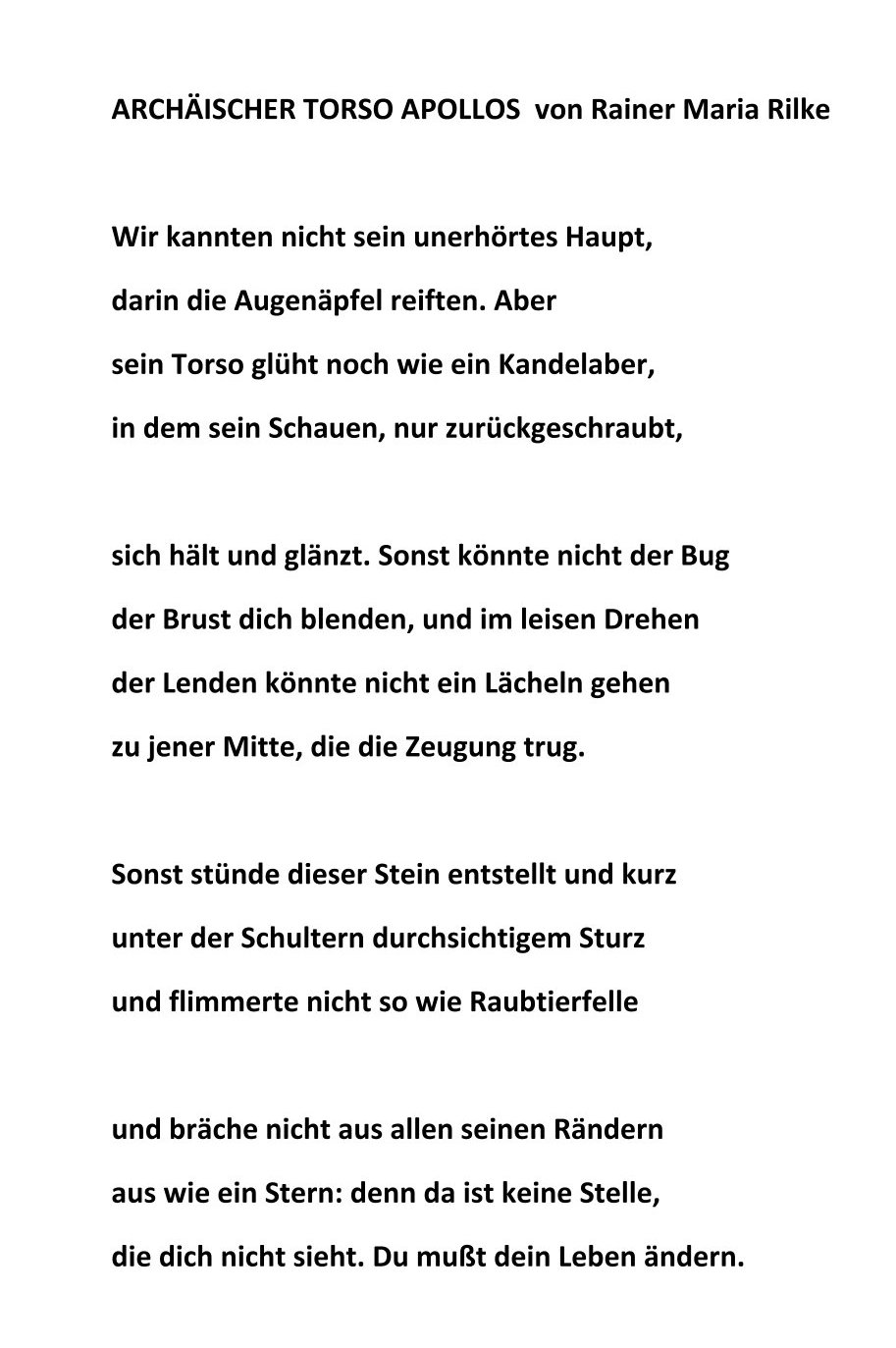
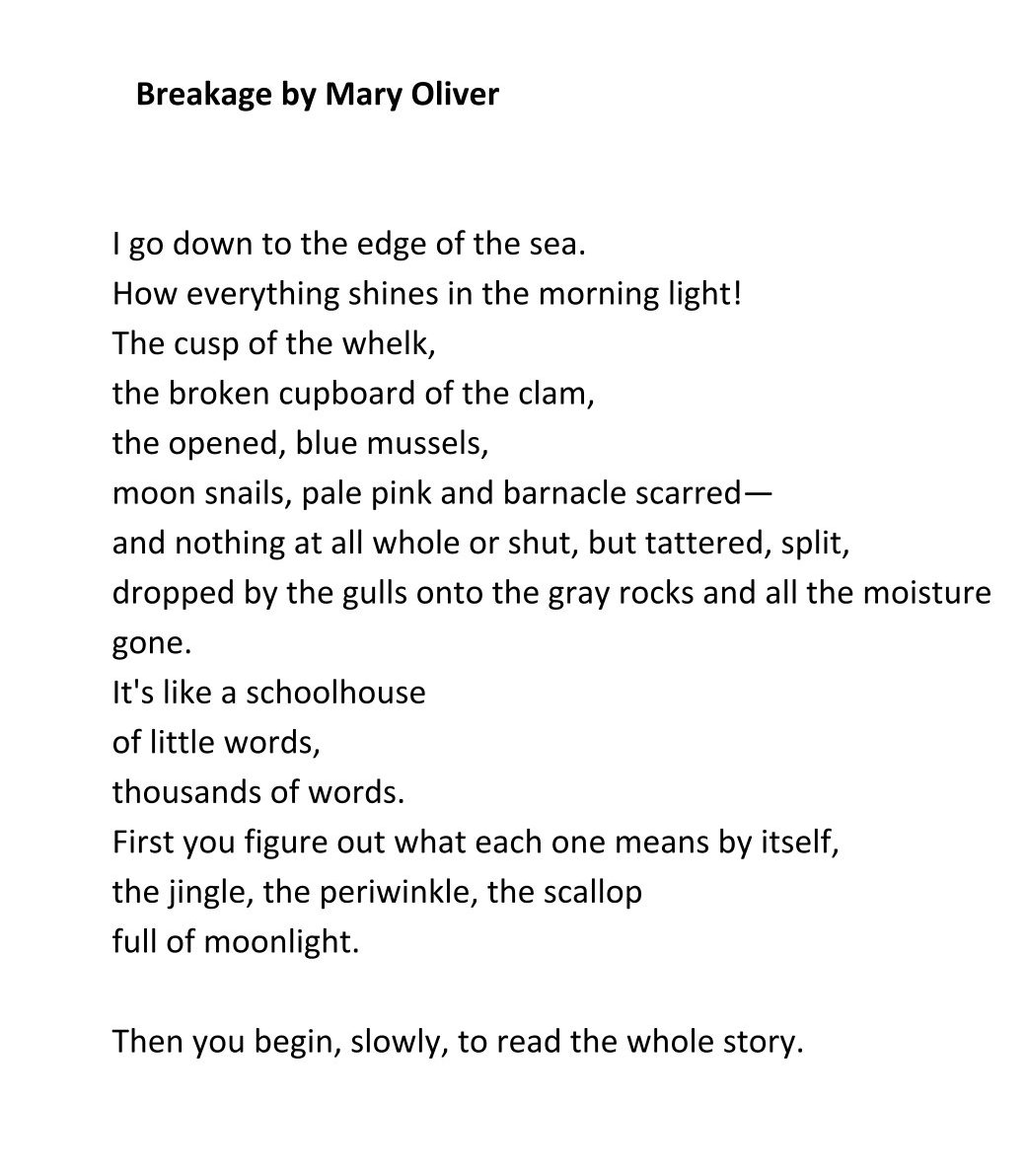
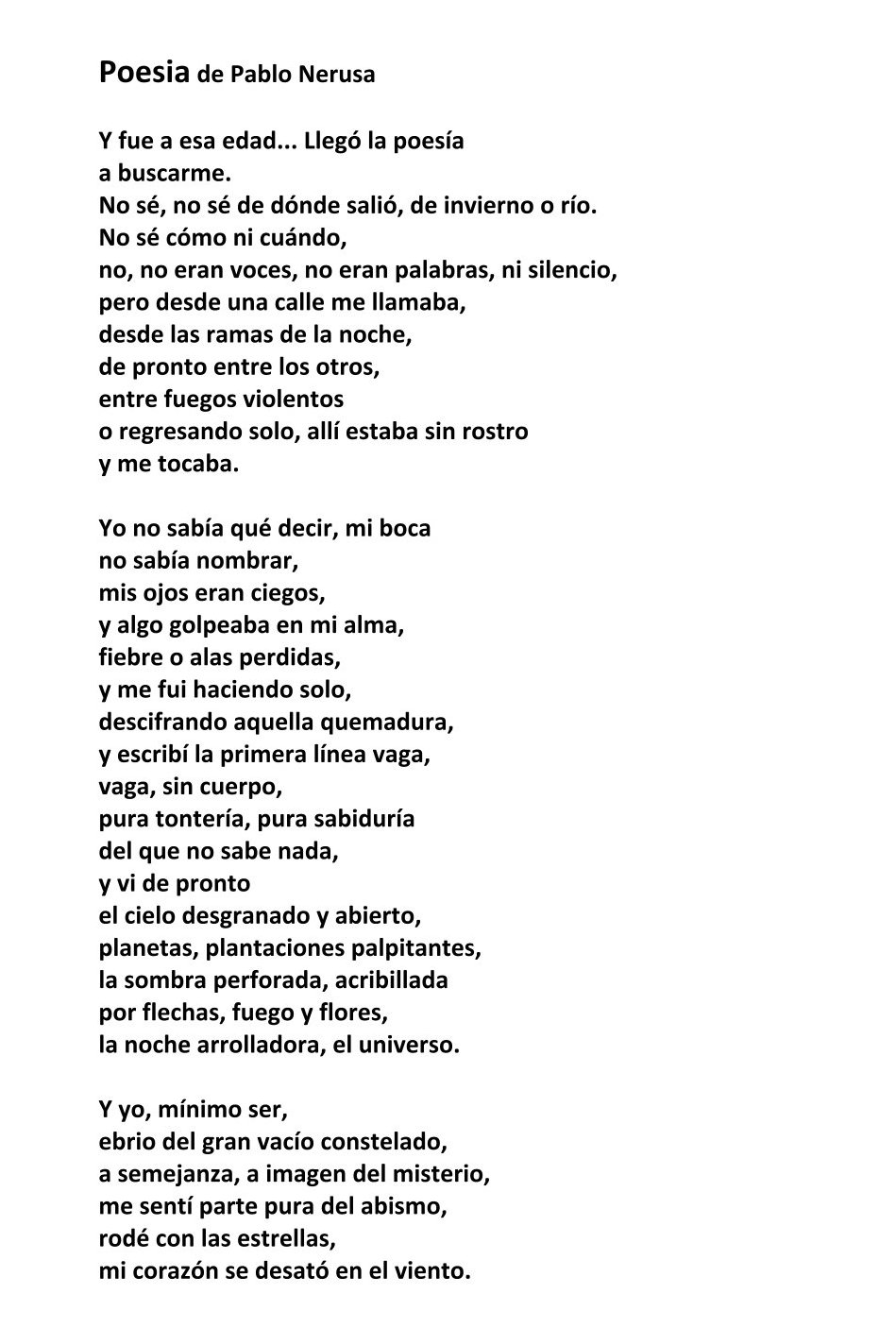
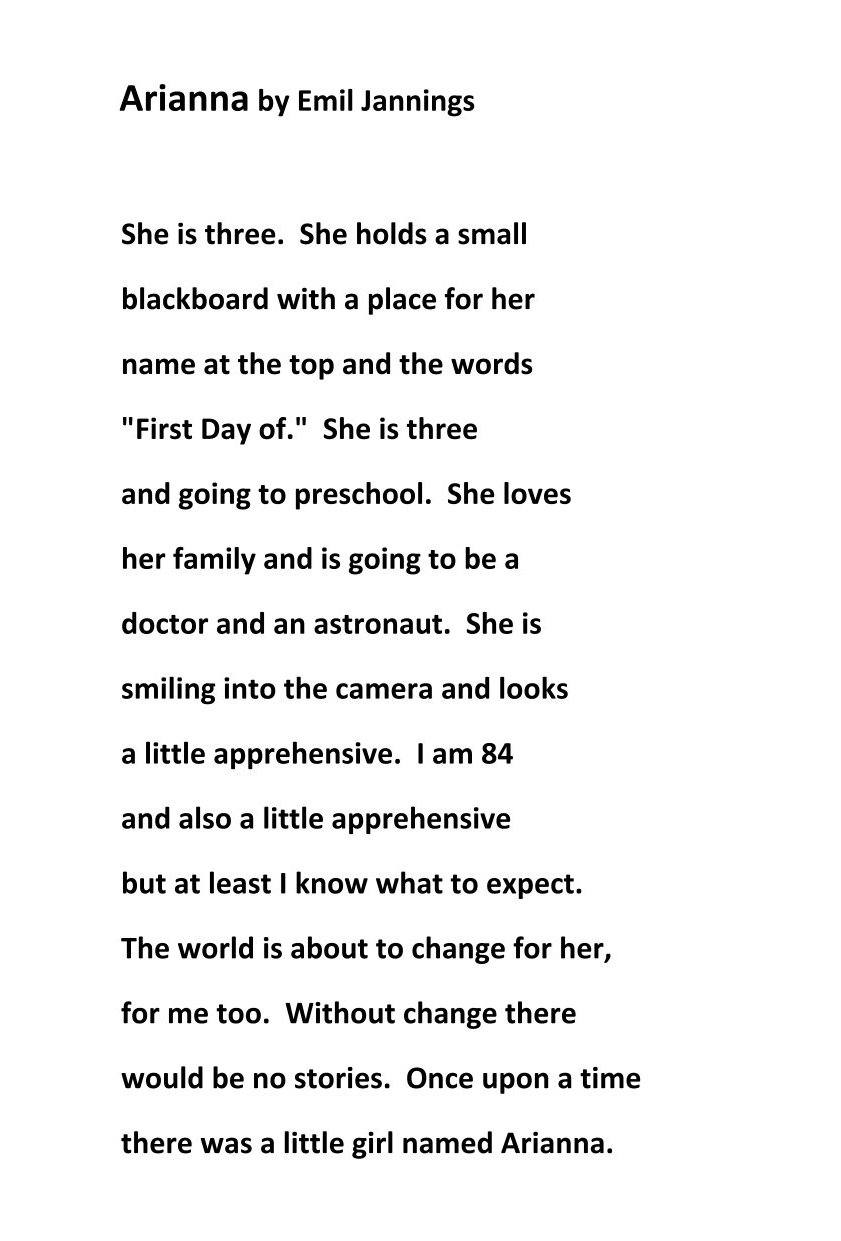
The first stop was Delos, where Emil Jannings and Dings Digital held a recital in English and German featuring texts by Mary Oliver, Pablo Neruda, Jim Harrison, C. P. Cavafy and Billy Collins; a text written by Emil Jannings was also read, based on the poetic recipe book I had suggested for potential poetic ‘exercises’.
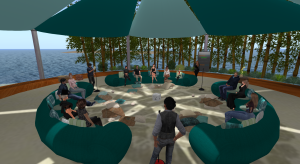
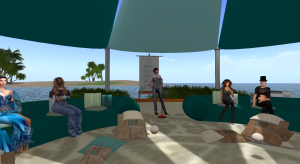
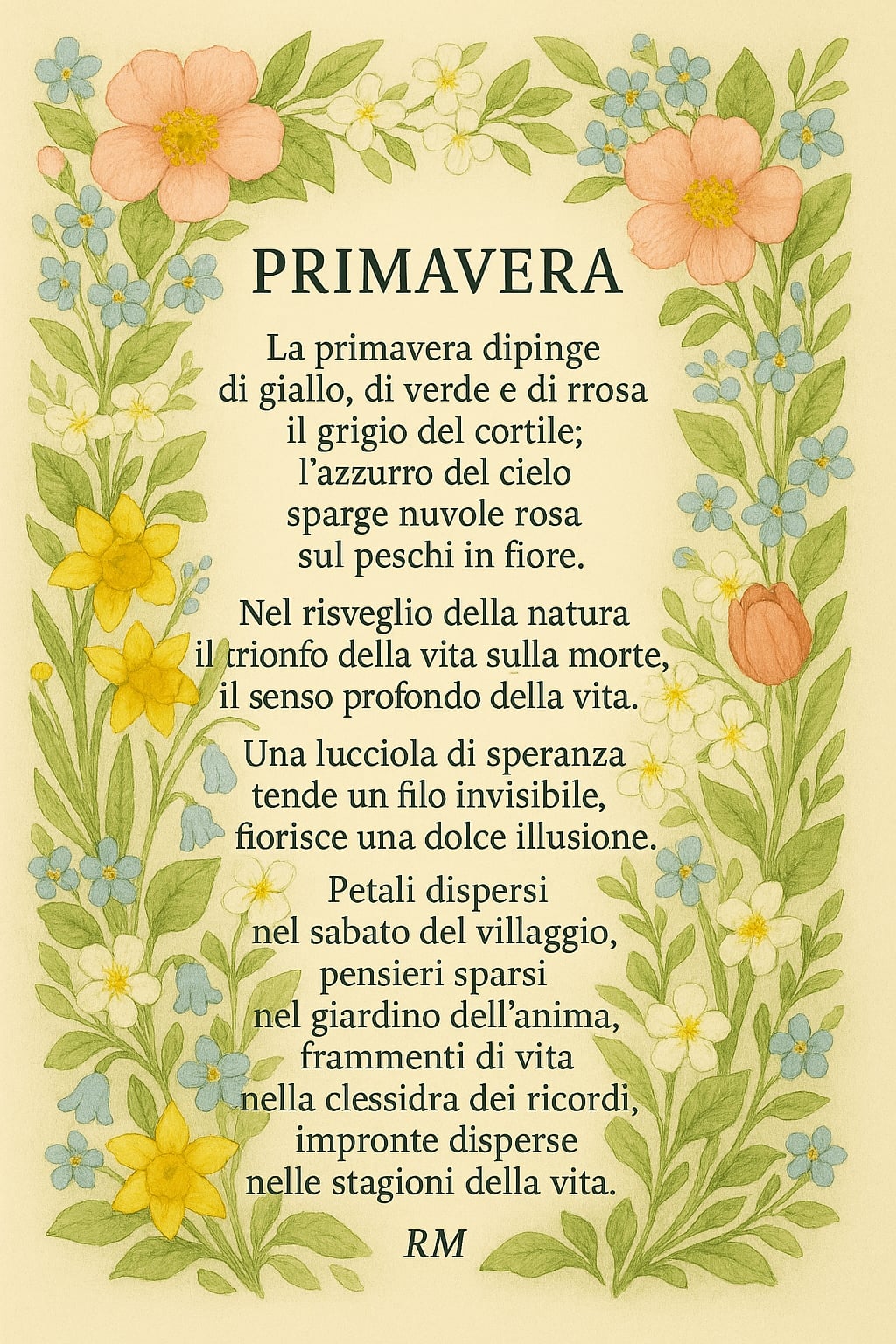
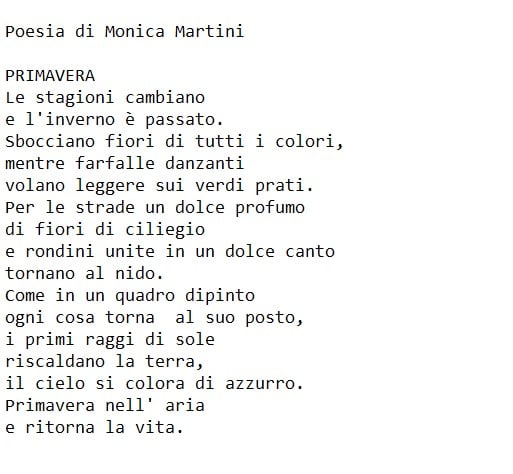
The marathon then moved on to Artic, where the sim’s owner, Monica Martini, read one of her poems entitled ‘Primavera’, admitting that she had never read one of her own works in public before. It was an important moment for her and for all of us, revealing how, regardless of intention, poetry is always alive and, even if jealously kept in a drawer, finds its own ways to carry its message out into the world.
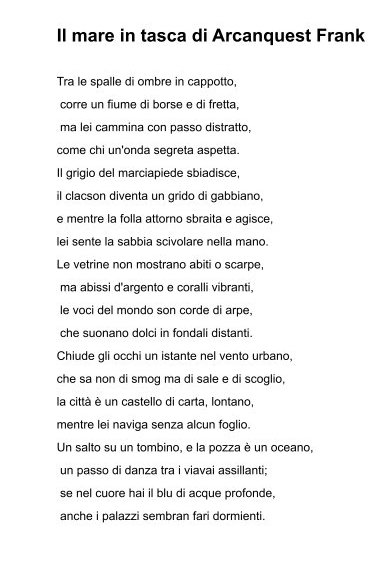
Next up was Dark Side of the Moon, Eva Kraai’s sim, who read her own poetry and lent her voice to Arcanquest Frank’s poems *Il mare in tasca* and *Il mio paesello*.
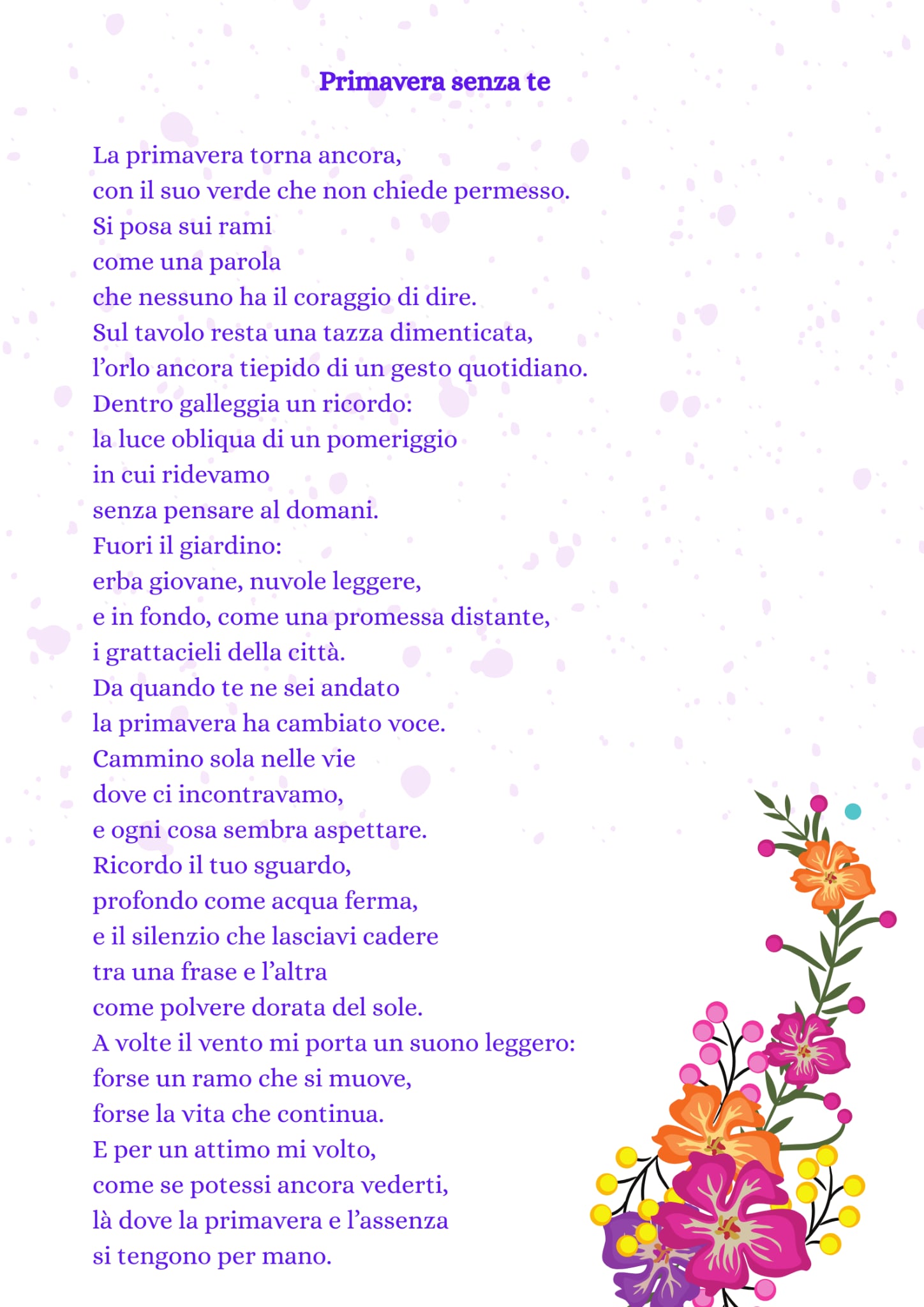
Each poem conveyed emotions, evoked imagery and memories; Eva Kraai’s poem, Spring Without You, dedicated to her partner who had recently passed away, was deeply moving, both for the authenticity of the words and for the emotion with which they were delivered. An absence that became a presence through poetry, as is always the case when inspiration comes from a loved one who has left us too soon.
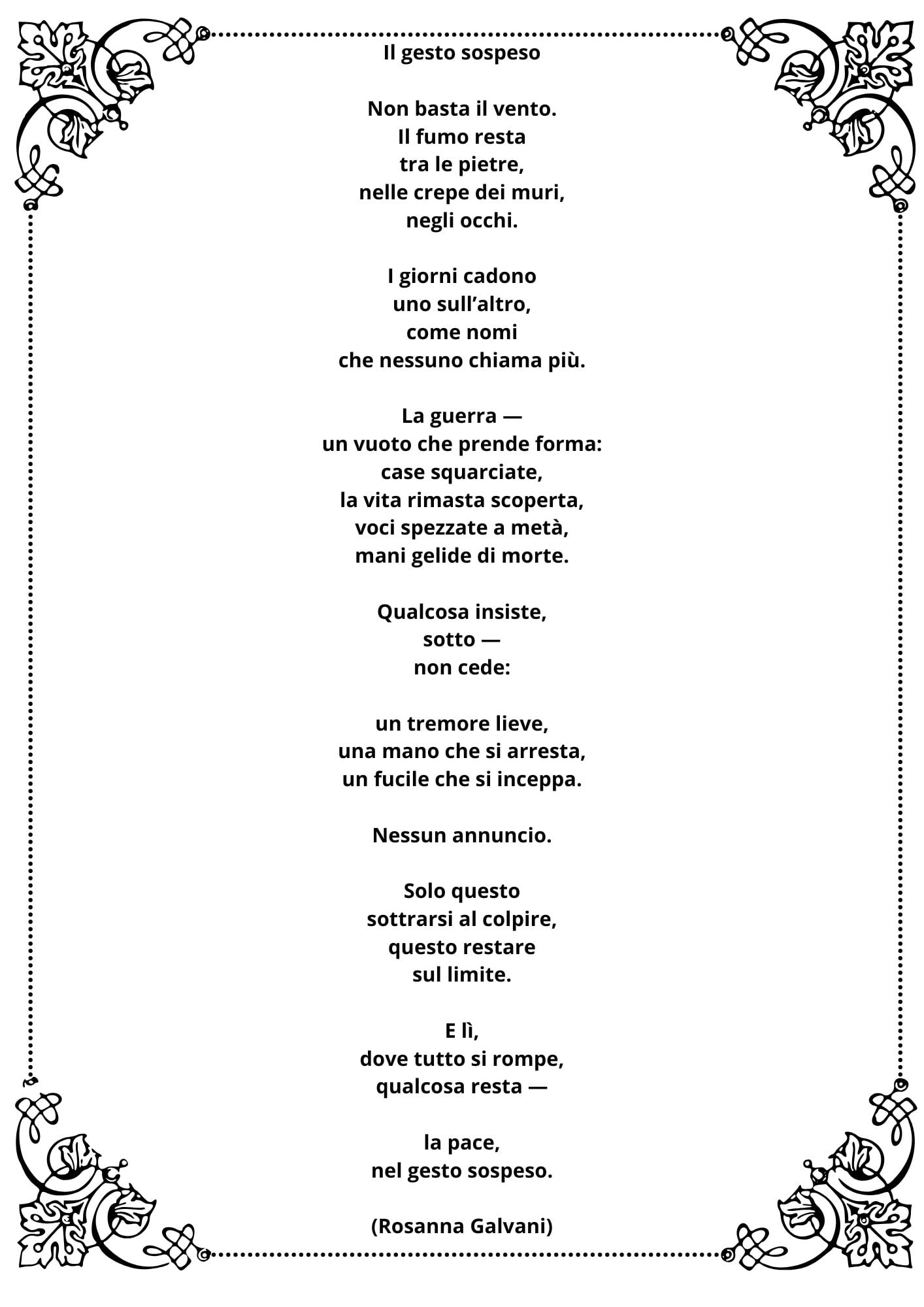
Rosanna Galvani’s Museo del Metaverso hosted the next stage of the poetry marathon, during which Rosanna read Il gesto sospeso, one of her poems that sketches the perpetual dynamics of the gestures of war and peace.
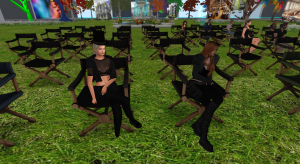
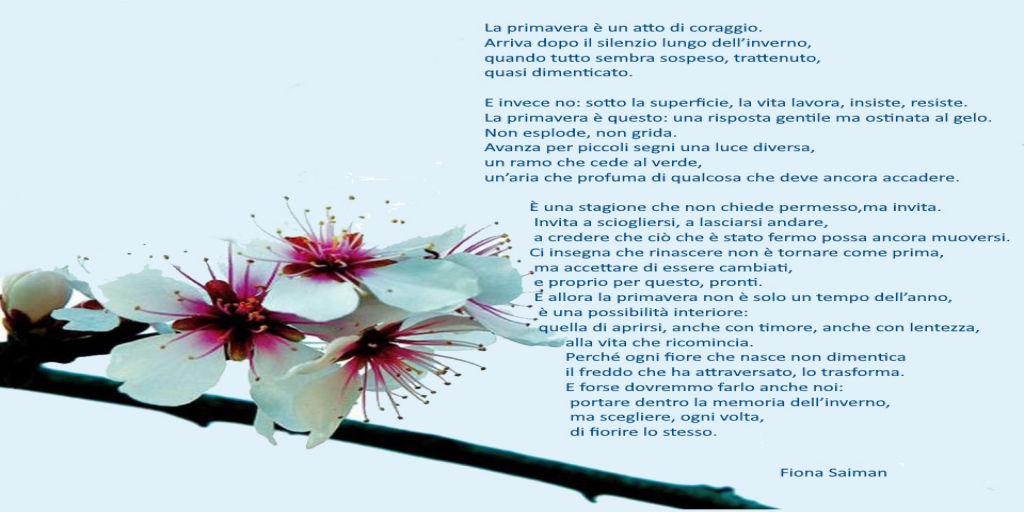
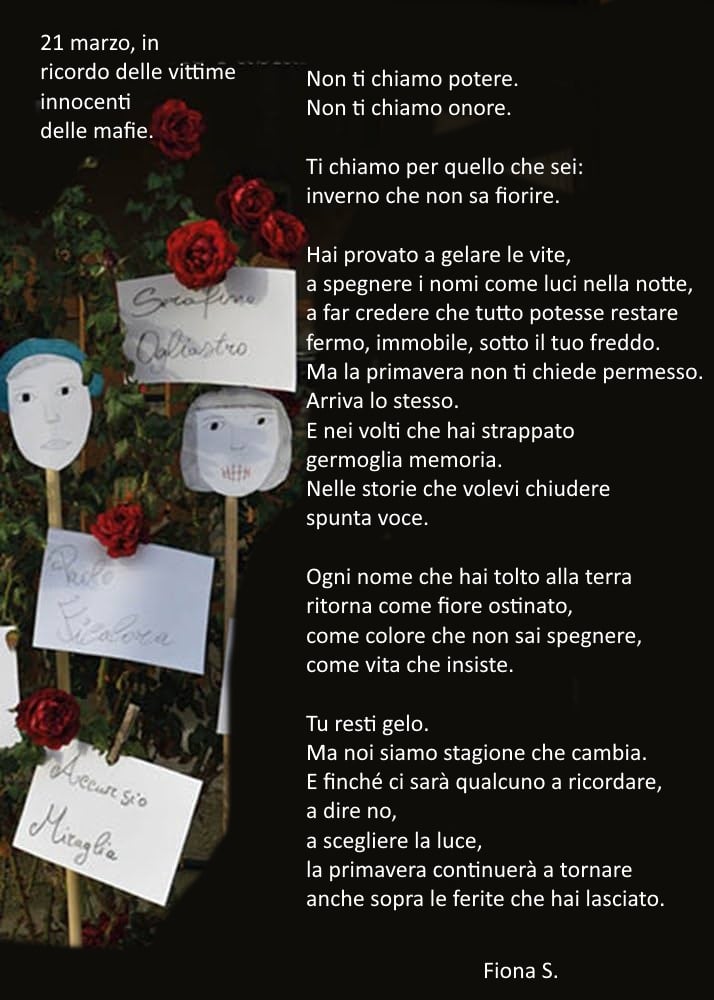
Fiona Saiman read two of her poems: one dedicated to spring, *Primavera coraggiosa*, and the other dedicated to the victims of the Mafia, given that International Poetry Day coincided with the National Day of Remembrance for the Victims of the Mafia.
The evening concluded with a musical performance curated by Angel Bright, in the garden of the Castle of Isabella Morra, a 16th-century poet from Basilicata, whose personal story is brought to life in Craft World – she was murdered by her brothers on suspicion of having an affair with the Spanish poet Diego Sandoval De Castro – and whose poetry transcended the silence of the castle where she lived almost as a prisoner, alongside that of other female writers and artists of her time, to whom Renaissance culture—and contemporary culture no less—owes so much.
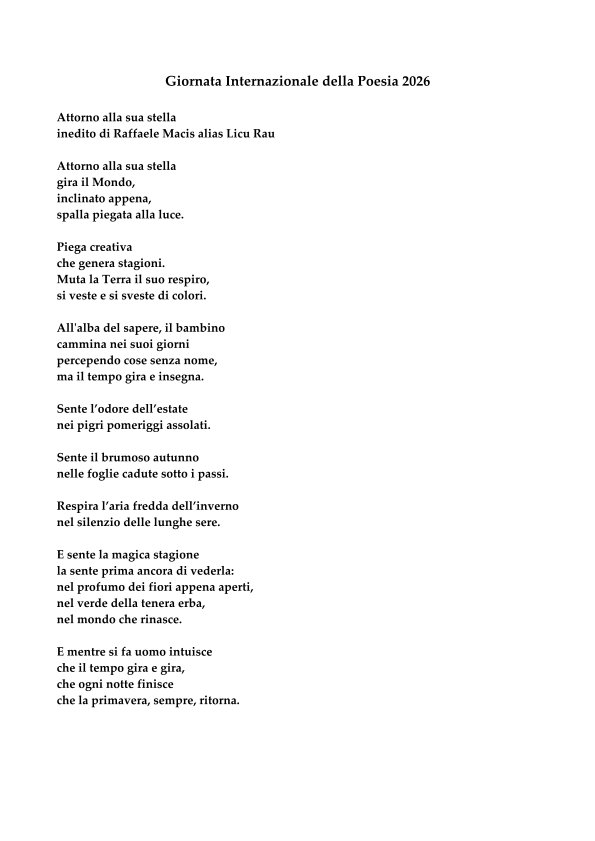
Night had fallen and the lights of the City of Women were about to go out when I read aloud a poem written for the occasion by Licu Rau, the owner of Grid Craft World, who was absent for personal reasons but whose warm words on the cyclical nature of time and the eternal return of spring were very much present.